Retaining Walls That Last: What Construction Must Never Skip in Ontario
Retaining walls need to do more than look good—they serve as a critical safeguard against soil movement, water flow, and uneven land. At Signature Landscape Concepts, we see firsthand what happens when key steps are skipped during retaining wall construction in Ontario. Even the best-looking wall can fail early if the build doesn’t account for local climate and soil conditions.
Many homeowners in Belleville assume that putting up a row of stone or concrete blocks will solve their landscape problems for good. The truth is, without the right preparation and materials, these walls often develop bowing, leaning, or drainage problems within a few seasons. This blog will walk through what professional installers always include, and why those steps make the difference in Belleville’s tough landscape.
In this article:
1. What Ontario retaining walls are really up against
2. The hidden reasons why walls fail early
3. Essential steps you should expect from any reputable builder
4. Specific material choices that pay off in our climate
5. What a long-lasting wall looks like over time
The Real Demands on Belleville’s Retaining Walls
Ontario’s freeze-thaw cycles and mixed soil types are hard on retaining structures. Belleville in particular sits on everything from loose fill near the rivers to dense clay in older neighbourhoods. This means even a wall that starts straight can start to bulge or crack if it’s not engineered for those shifts.
Retaining walls here must also handle more than simple soil retention. With heavy summer rains and rapid runoff, water can accumulate behind the wall, putting pressure on both the structure and its foundation. Without hidden relief systems, water will find a way—usually causing failure from the inside out.
Early Failure: What Most Homeowners Don’t See Coming
It’s tempting to think a wall is solid if the capstones and face look good. But internal issues are the silent killers. Most failures aren't caused by poor stacking, but by:
● Inadequate Base Prep: Skipping excavation or using a thin gravel foundation instead of a compacted granular base.
● Missing Drainage Layer: Forgetting to include a filter fabric, drainage pipe, or proper stone backfill behind the wall.
● Poor Soil Assessment: Not accounting for fill, clay, or organic matter that might later settle or expand.
● Fast, Rough Installation: Rushing the process, which leads to uneven block alignment and a weak structure.
Each of these shortcuts can spell disaster in Belleville’s high-moisture soils.
The Must-Do Steps in Professional Retaining Wall Construction
Every sturdy retaining wall project in Belleville should include these key steps:
● Excavation to Frost Depth: A deep, wide trench, extending below the frost line to avoid heaving.
● Granular Base Compaction: Laying 4–6 inches of compacted crushed stone or gravel, not just a skim coat of sand.
● Geo-Grid or Tie-Backs: Reinforcement for taller walls or those bearing heavy loads, built into the soil behind the wall.
● Drainage Solutions: A perforated drainpipe wrapped in filter fabric, set at the base and sloped for water to escape safely.
● Filter Fabric: Separating soil from clean drainage stone to prevent clogging.
Getting these details right adds a bit of time and cost, but saves countless repairs.
Choosing the Right Wall Material in Ontario
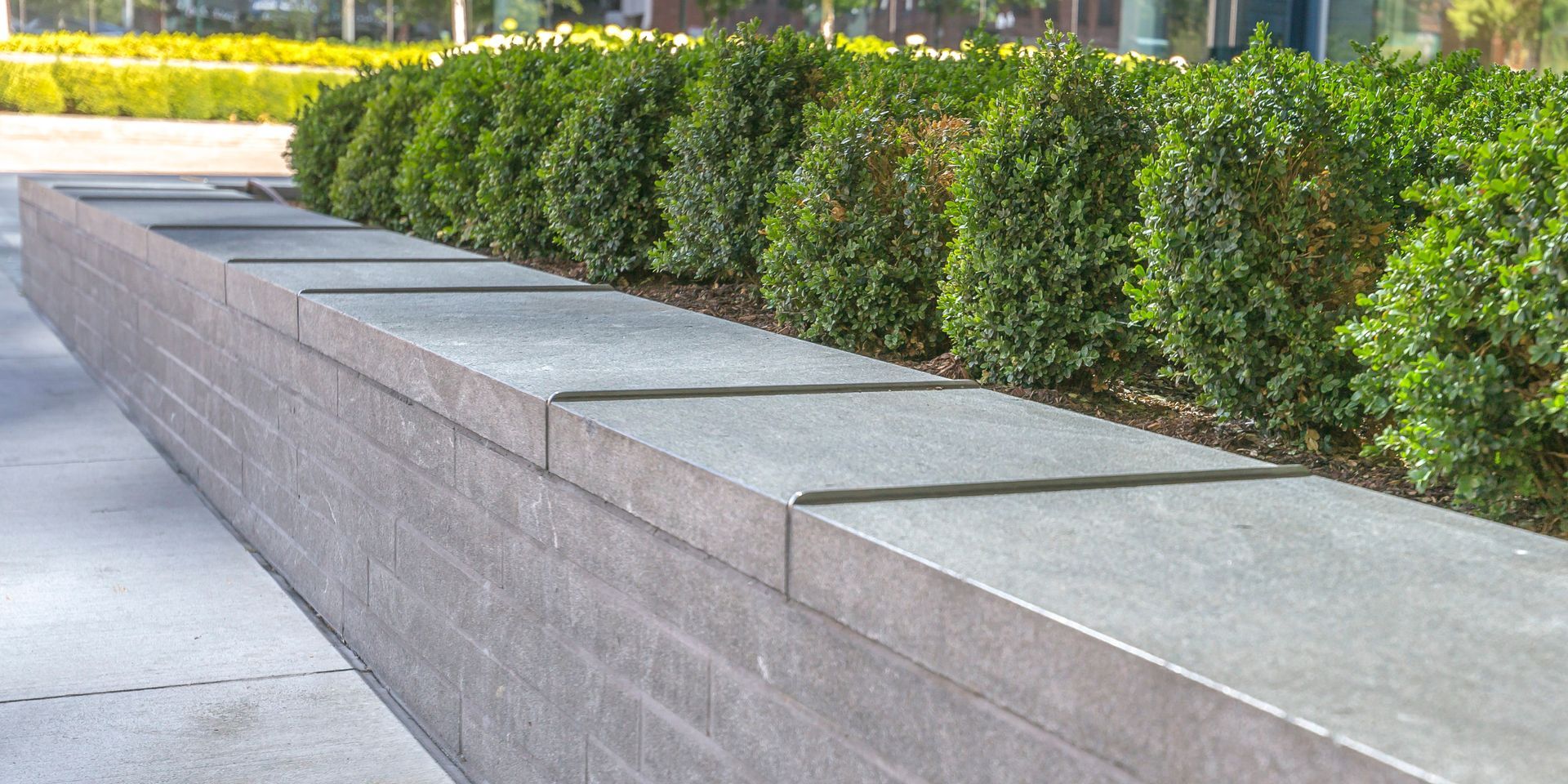
Just as important as technique are the materials themselves. In Belleville, dense precast concrete blocks often outlast natural stone in exposed sites, thanks to consistent quality and frost resistance. Where an organic look is desired, locally-sourced stone is best—provided it’s placed carefully and not installed on soft or shifting soil.
Wall caps set with adhesive, rather than mortar, are better suited to freeze-thaw conditions. Sealing exposed faces with breathable, water-shedding sealers is a smart upgrade if the wall sits near traffic or sprinkler overspray.
What a Properly Built Retaining Wall Looks Like Over Time
A well-built retaining wall in Belleville will hold its line, drain water effectively, and blend into your landscape naturally for many years. You should not see leaning, bowing, gaps between blocks, or water stains along the face. After a heavy rain, walk around and check for signs of seepage or pooling—these issues usually point to missing or failed drainage.
Professional walls include subtle features that make all the difference: a slight backward lean (batter) for stability, hidden drain outlets at ground level, and landscaping to channel surface water away. Inspections every season for minor tuck-pointing or cleaning are usually all that’s needed to keep the wall looking and performing its best.
Frequently Asked Questions
How tall can a retaining wall be in Belleville before it needs engineering?
Ontario building codes require a structural engineer’s involvement for walls over one metre in height, especially if the wall is supporting a slope, driveway, or other load. Always check local bylaws before building.
Are natural stone walls as long-lasting as concrete blocks?
Both can last for decades when installed properly and on the right base, but precast concrete often resists shifting and frost better in exposed, high-water areas.
What maintenance should I plan for a retaining wall?
Most maintenance is visual inspection and occasional cleaning. Replenishing joint sand (for segmental walls) and confirming that drain outlets remain clear are good annual steps.
Setting Up for Lasting Strength in Belleville
Every lasting retaining wall in Belleville starts with respect for local ground conditions and smart, thorough methods. At Signature Landscape Concepts, we bring experience that factors in more than just the look of the finished wall. The best results always come from solid preparation and a willingness to dig deeper—literally and figuratively—to deliver durability that goes well beyond the first few seasons.
If you’re thinking about a retaining wall, make sure every essential detail gets the attention it deserves from day one.
Share This Blog